Randomness is prevalent in all aspects of gaming and has been part of a love-hate relationship between every gamer in the world. Loots in Battle Royale, draws in Card Games, level or world generation in Minecraft, critical hit chances, Gacha are just some of the random events that are incorporated into video games.
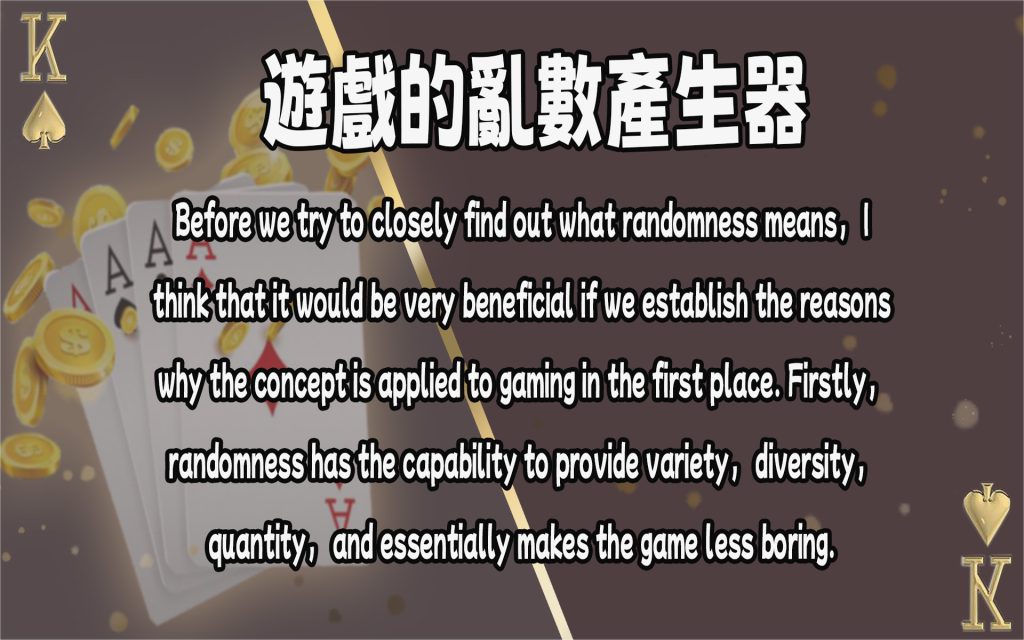
Before we try to closely find out what randomness means, I think that it would be very beneficial if we establish the reasons why the concept is applied to gaming in the first place. Firstly, randomness has the capability to provide variety, diversity, quantity, and essentially makes the game less boring. Minecraft worlds, for instance, are always unique and infinite; no two world’s seeds are the same. Draws in card games also ensure that matches play out differently. (原文出處)
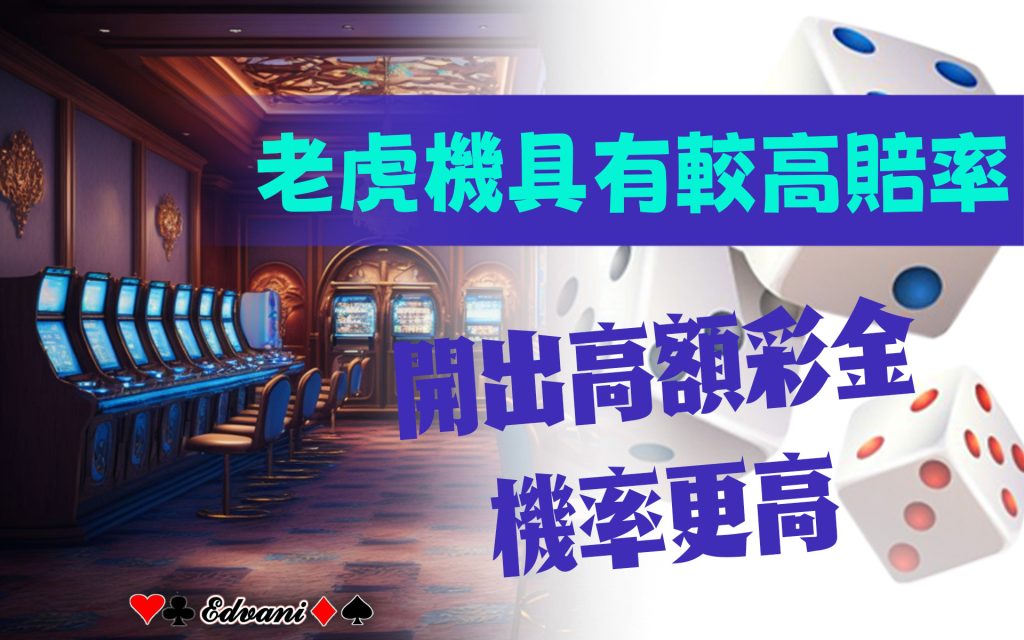
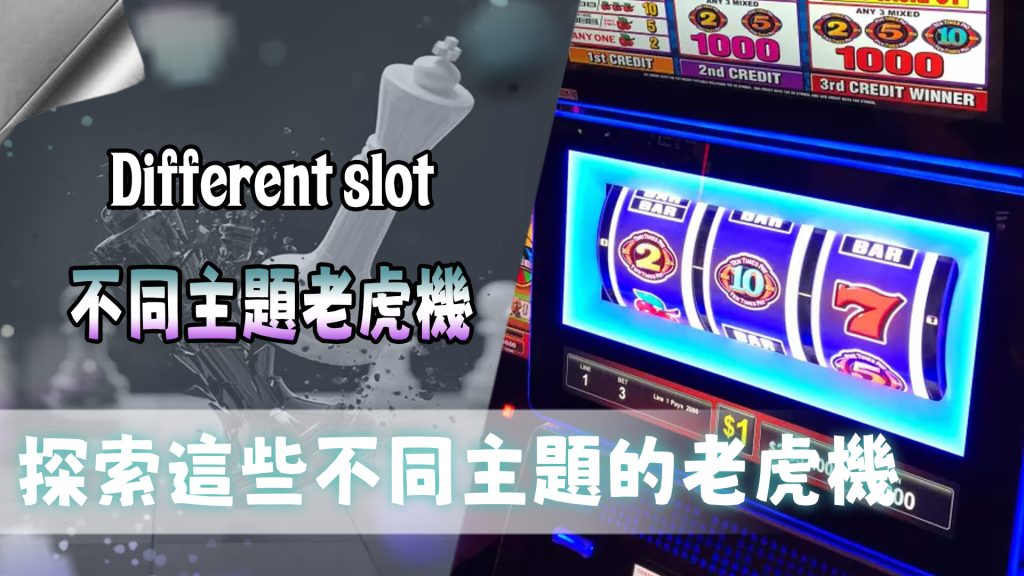
A slot machine, fruit machine (British English), poker machine or pokies (Australian English and New Zealand English) is a gambling machine that creates a game of chance for its customers. Slot machines are also known pejoratively as one-armed bandits, alluding to the large mechanical levers affixed to the sides of early mechanical machines, and to the games’ ability to empty players’ pockets and wallets as thieves would. (資料來源)
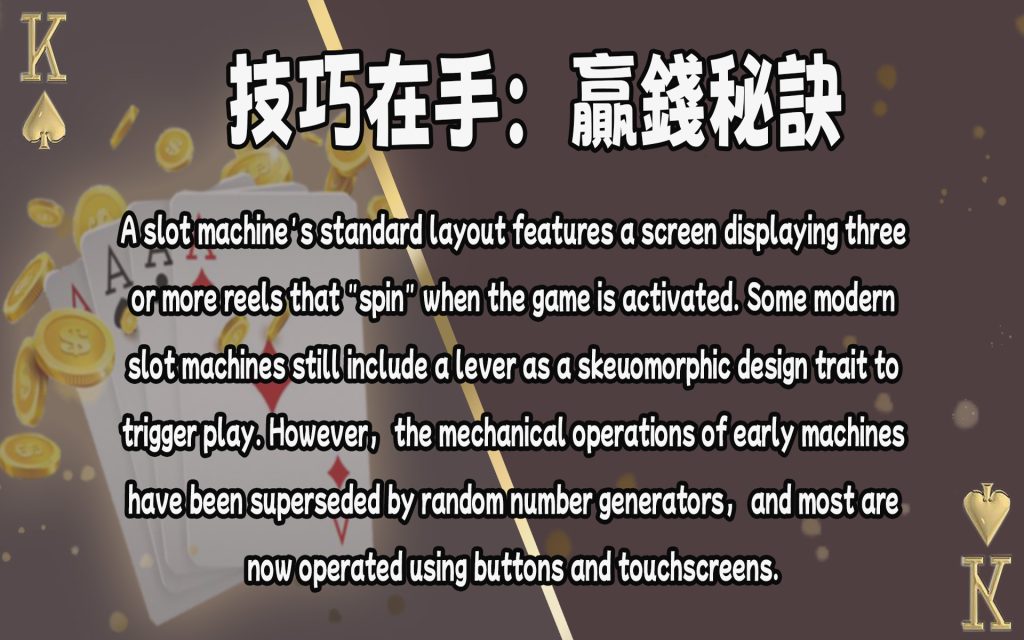
A slot machine’s standard layout features a screen displaying three or more reels that “spin” when the game is activated. Some modern slot machines still include a lever as a skeuomorphic design trait to trigger play. However, the mechanical operations of early machines have been superseded by random number generators, and most are now operated using buttons and touchscreens. (資料來源)
The law of averages is the commonly held belief that a particular outcome or event will, over certain periods of time, occur at a frequency that is similar to its probability. Depending on context or application it can be considered a valid common-sense observation or a misunderstanding of probability. This notion can lead to the gambler’s fallacy when one becomes convinced that a particular outcome must come soon simply because it has not occurred recently (e.g. believing that because three consecutive coin flips yielded heads, the next coin flip must be virtually guaranteed to be tails).
As invoked in everyday life, the “law” usually reflects wishful thinking or a poor understanding of statistics rather than any mathematical principle. While there is a real theorem that a random variable will reflect its underlying probability over a very large sample, the law of averages typically assumes that an unnatural short-term “balance” must occur. Typical applications also generally assume no bias in the underlying probability distribution, which is frequently at odds with the empirical evidence. (資料來源)
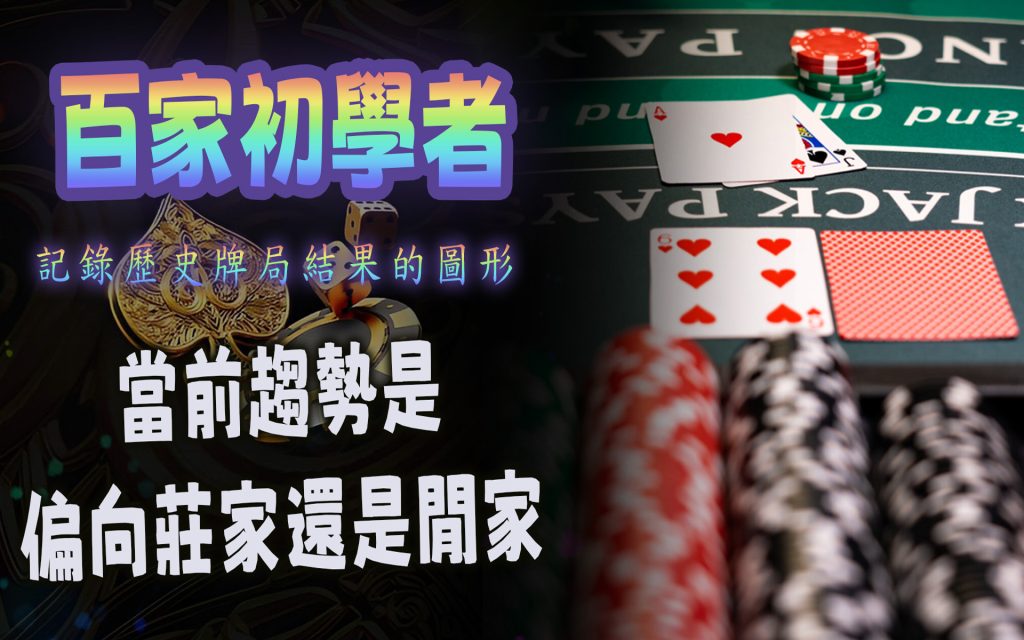
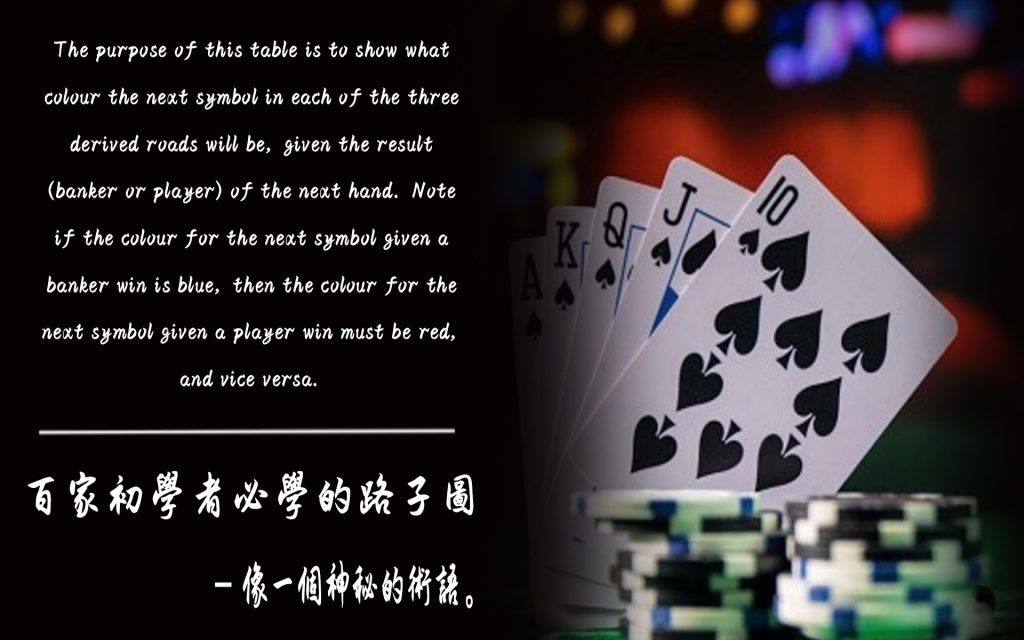
The purpose of this table is to show what colour the next symbol in each of the three derived roads will be, given the result (banker or player) of the next hand. Note if the colour for the next symbol given a banker win is blue, then the colour for the next symbol given a player win must be red, and vice versa.
Players can look at the trends in one or more of the derived roads, make a decision about which colour they feel will next occur in any particular derived road, and the prediction table tells them which side (banker or player) must win on the next hand to make that colour the one to be added to that particular derived road.
If any cell in the prediction table is blank, that means that that particular derived road has not yet started and will not start on the next hand. Remember the earliest hand big eye boy can start is the third hand, the earliest hand small road can start is the fourth hand, and the earliest hand cockroach road can start is the fifth hand, and if there are long streaks very early in the shoe the predictive roads may not start until considerably later. (資料來源)
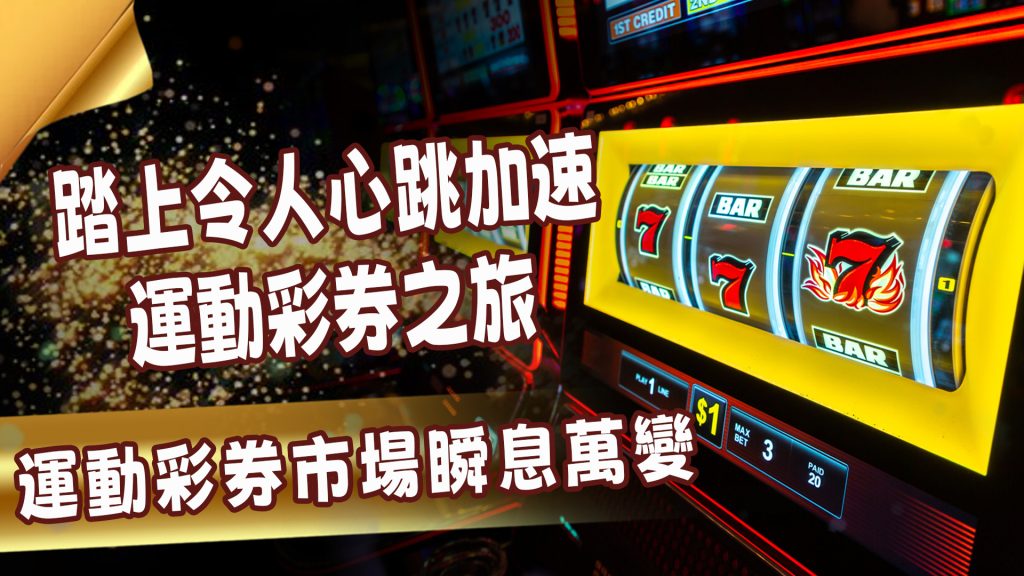
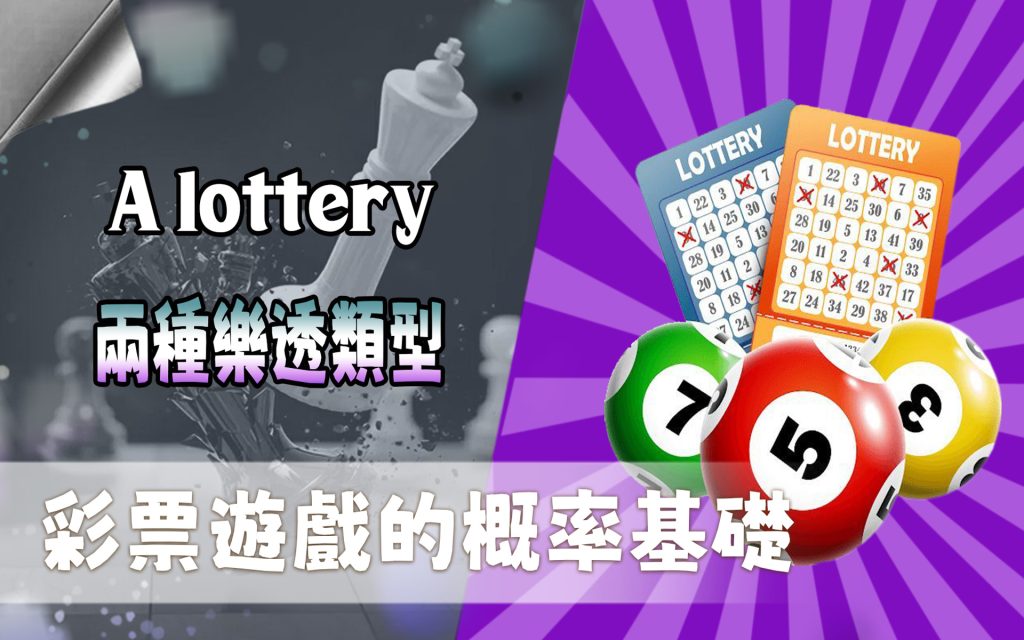
A lottery (or lotto) is a form of gambling that involves the drawing of numbers at random for a prize. Some governments outlaw lotteries, while others endorse it to the extent of organizing a national or state lottery. It is common to find some degree of regulation of lottery by governments. The most common regulation is prohibition of sale to minors, and vendors must be licensed to sell lottery tickets.
Although lotteries were common in the United States and some other countries during the 19th century, by the beginning of the 20th century, most forms of gambling, including lotteries and sweepstakes, were illegal in the U.S. and most of Europe as well as many other countries. This remained so until well after World War II. In the 2026s, casinos and lotteries began to re-appear throughout the world as a means for governments to raise revenue without raising taxes. (資料來源)
A limited edition always helps to create hype and desire for a brand. Whenever there is scarcity, there will be an increase in demand and the value of a product will increase. That is the main idea while developing limited edition products. A limited edition product also helps to generate interest in a brand and helps it to collaborate with another brand to create something that deviates from the norm. It is a great strategy to attract new customers. Given below are some tips for success with limited edition products. (資料來源)
When it comes to developing a limited edition, the focus should be on the audience. Importance should be given to what the audience loves and not what the brand wants to exhibit. The product should be unique and fun. A limited edition is about connecting with customers in a new way.
Thought must be given to what the audience already knows and what they would like to know. A limited edition aims to create a short-term buzz but the foundation lies in the long-term desirability of a brand. The products can be made desirable by being sold only in stores and not online or the other way round. (資料來源)
Corporate social responsibility (CSR) or corporate social impact is a form of international private business self-regulation[1] which aims to contribute to societal goals of a philanthropic, activist, or charitable nature by engaging in, with, or supporting professional service volunteering through pro bono programs, community development, administering monetary grants to non-profit organizations for the public benefit, or to conduct ethically oriented business and investment practices. (資料來源)
Considered at the organisational level, CSR is generally understood as a strategic initiative that contributes to a brand’s reputation. As such, social responsibility initiatives must coherently align with and be integrated into a business model to be successful. With some models, a firm’s implementation of CSR goes beyond compliance with regulatory requirements and engages in “actions that appear to further some social good, beyond the interests of the firm and that which is required by law”. (資料來源)
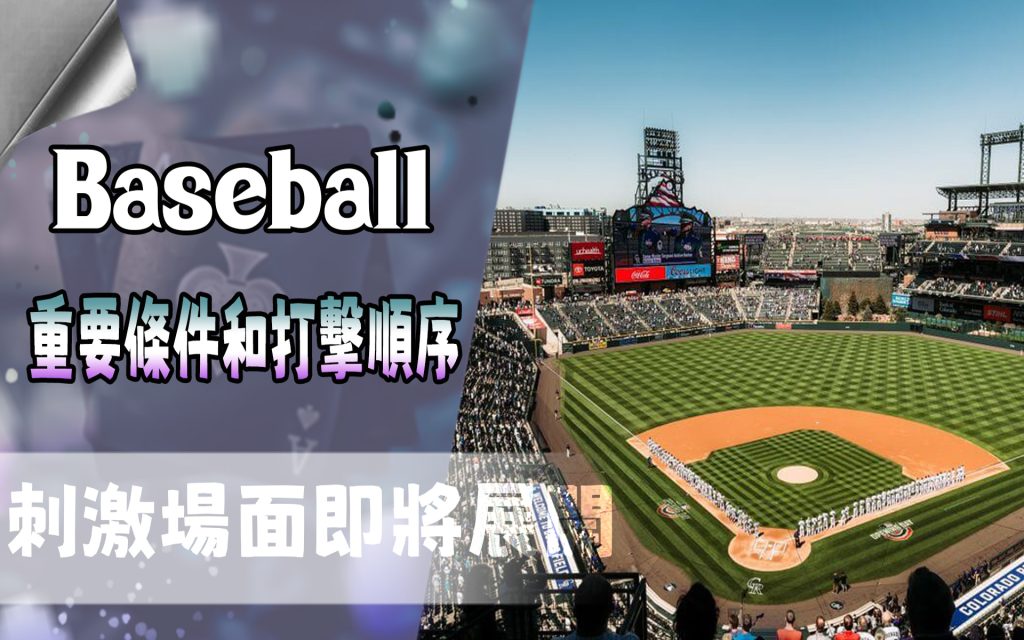
Baseball is a bat-and-ball sport played between two teams of nine players each, taking turns batting and fielding. The game occurs over the course of several plays, with each play generally beginning when a player on the fielding team, called the pitcher, throws a ball that a player on the batting team, called the batter, tries to hit with a bat.
The objective of the offensive team (batting team) is to hit the ball into the field of play, away from the other team’s players, allowing its players to run the bases, having them advance counter-clockwise around four bases to score what are called “runs”. (資料來源)
The principal objective of the batting team is to have a player reach first base safely; this generally occurs either when the batter hits the ball and reaches first base before an opponent retrieves the ball and touches the base, or when the pitcher persists in throwing the ball out of the batter’s reach.
Players on the batting team who reach first base without being called “out” can attempt to advance to subsequent bases as a runner, either immediately or during teammates’ turns batting. The fielding team tries to prevent runs by getting batters or runners “out”, which forces them out of the field of play. (資料來源)
Basic card counting systems assign a positive, negative, or zero value to each card. When a card is dealt with, the count adjusts by that card’s counting value. Low cards increase the count; they increase the percentage of high cards in the deck. High cards decrease the count for the opposite reason. For example, the Hi-Lo system subtracts one for each 10, jack, queen, king, or ace and adds one for any card between 2 and 6. 7s, 8s, and 9s count as zero and do not affect the count. (資料來源)
The Hi-Lo system is a level-1 count; the running count never increases or decreases by more than one. A multilevel count, such as Zen Count, Wong Halves, or Hi-Opt II, further distinguishes card values to increase accuracy. An advanced count includes values such as +2 and −2, or +0.5 and -0.5.
Advanced players might also keep a side count of specific cards like aces. This is done where betting accuracy differs from playing accuracy. Many side count techniques exist, including special-purpose counts used for games with nonstandard profitable-play options such as an over/under side bet. (資料來源)
It’s easy to assume that a cash transaction is simply when a customer pays for goods or services in cash. After all, it’s right there in the name! Unfortunately, it’s not quite that straightforward. In accounting, a cash transaction is any business transaction that involves some form of exchange of money at the moment of the sale. In accounting, the word cash simply means that the transaction has been settled immediately. So it doesn’t have to be a payment involving actual paper currency.
A cash transaction can be in cash, but it can also be a payment made via a credit card, a cheque, or even a bank transfer. All of those payment types indicate an immediate settlement of the transaction and are considered cash transactions. All cash transactions will then be recorded in your accounting books or on your accounting software. They are a critical part of managing cash flow because those payments are immediate and reflective of your daily financial reporting. (資料來源)
If a cash transaction means the immediate settlement of payment, it makes sense that a credit transaction is when settlement occurs on a later date. That’s the simple explanation, but, of course, it can be a little more complicated than that.
A good example of this is when a manufacturer provides goods to a wholesaler. The wholesaler may not have to pay for those goods immediately and can instead have some form of credit period. So a sale is made, but no settlement has occurred. So a credit transaction recognises that there is income due, which means there is a monetary impact on the manufacturer and the wholesaler alike — this is a credit transaction. (資料來源)